Home Living & Sustainability
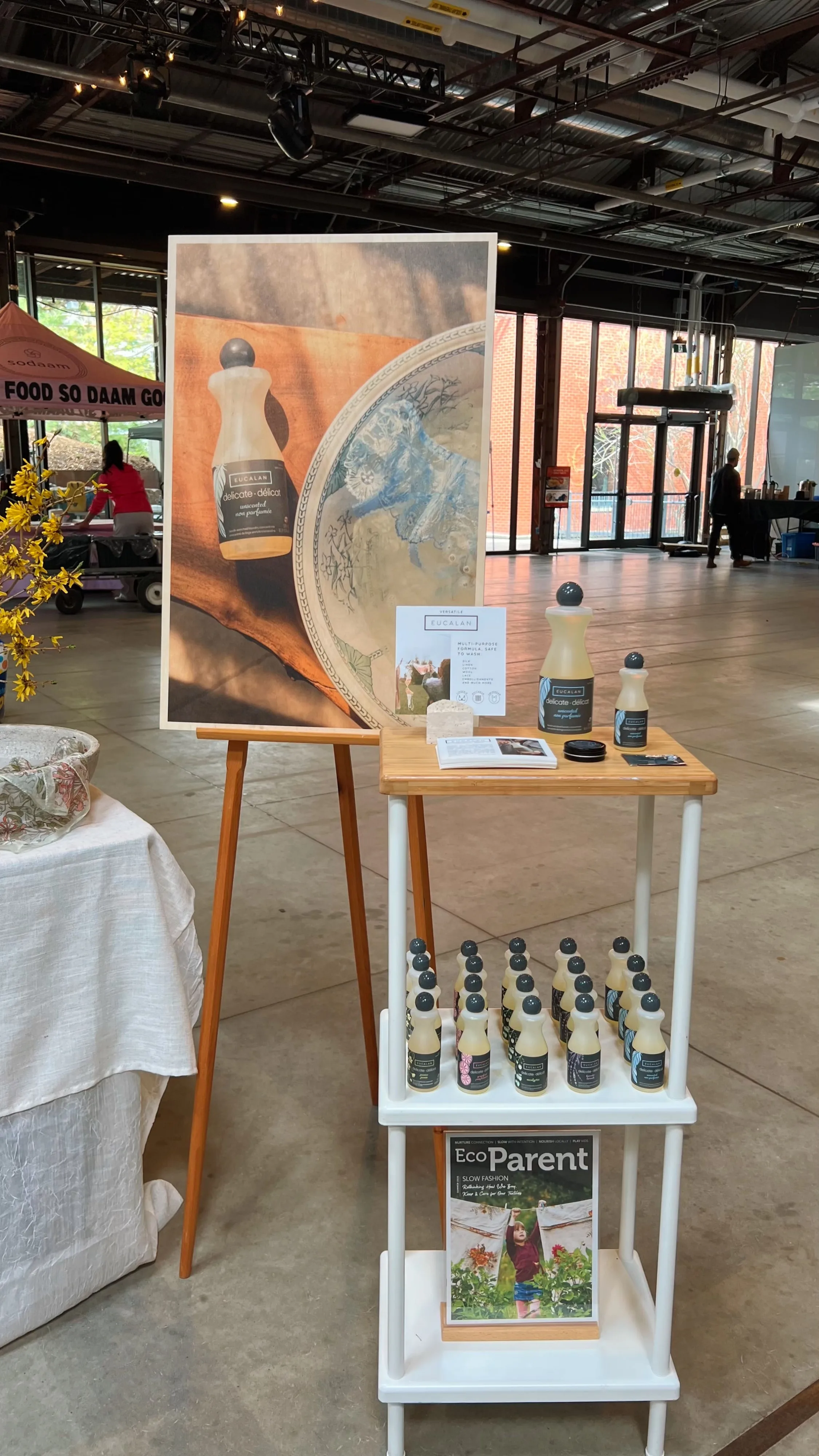
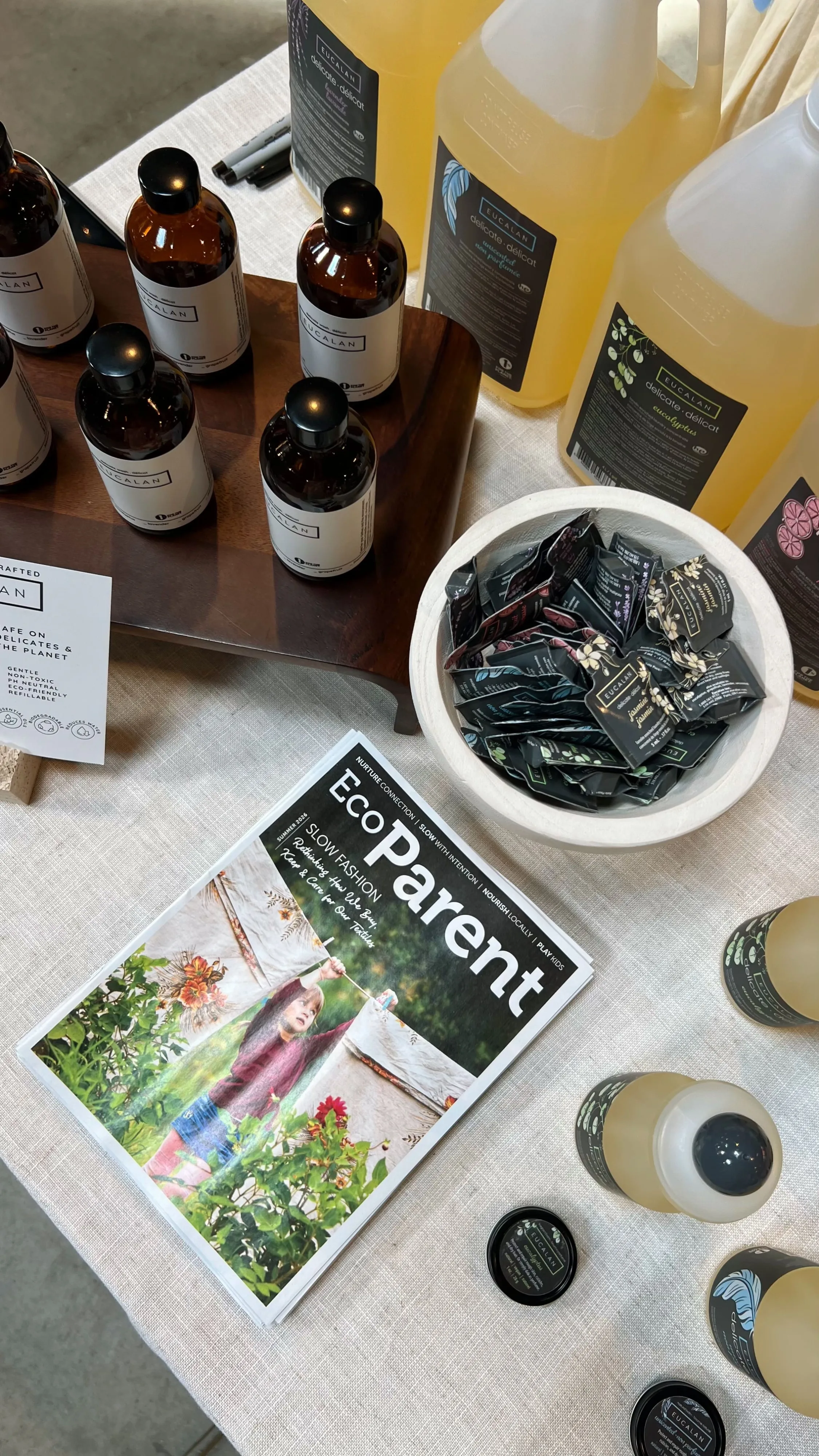
Eucalan at ReMode Toronto
April 24, 2026
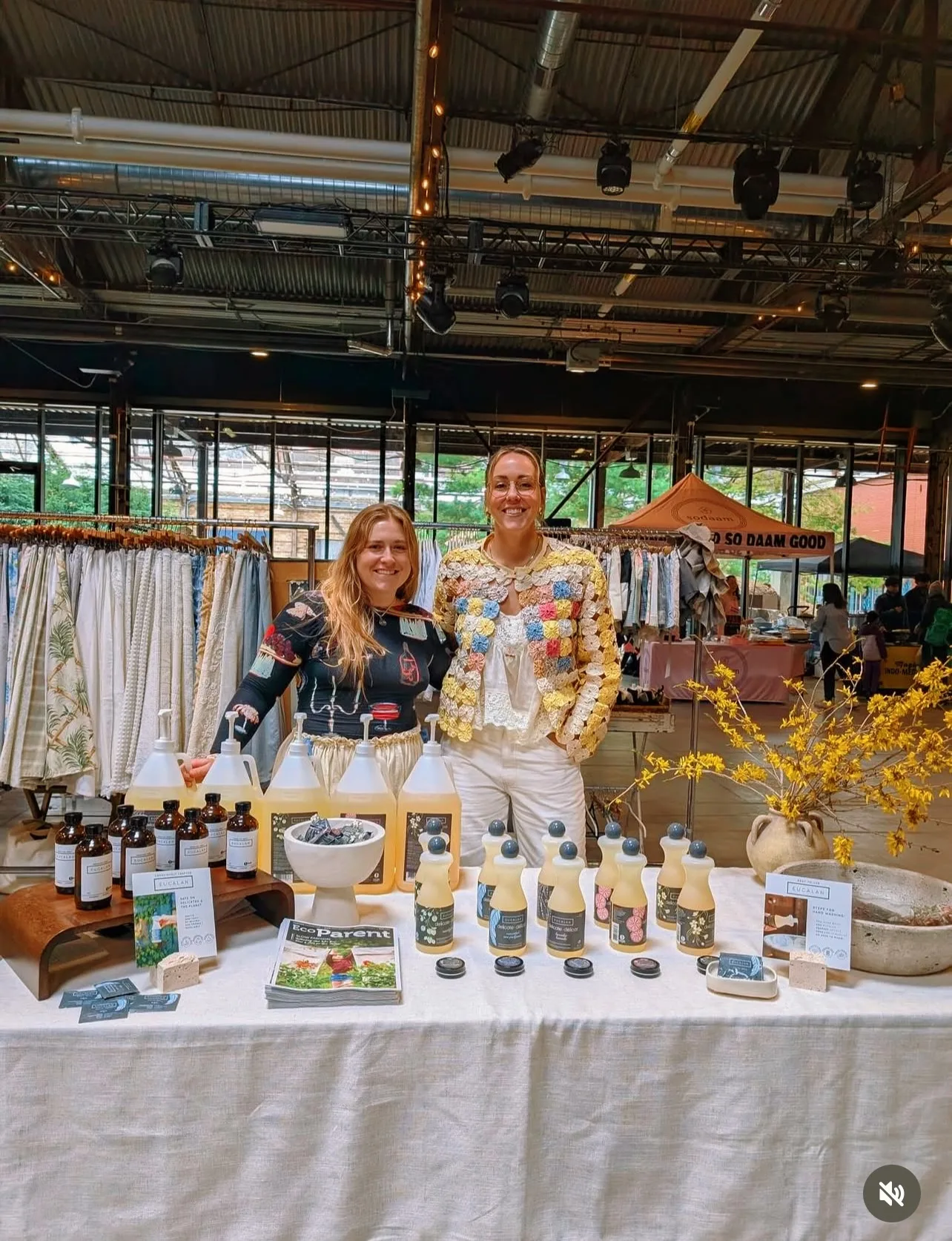
Meghan Edgar (Marketing & Operations Assistant) & Kaleigh Carrow (Brand Manager)
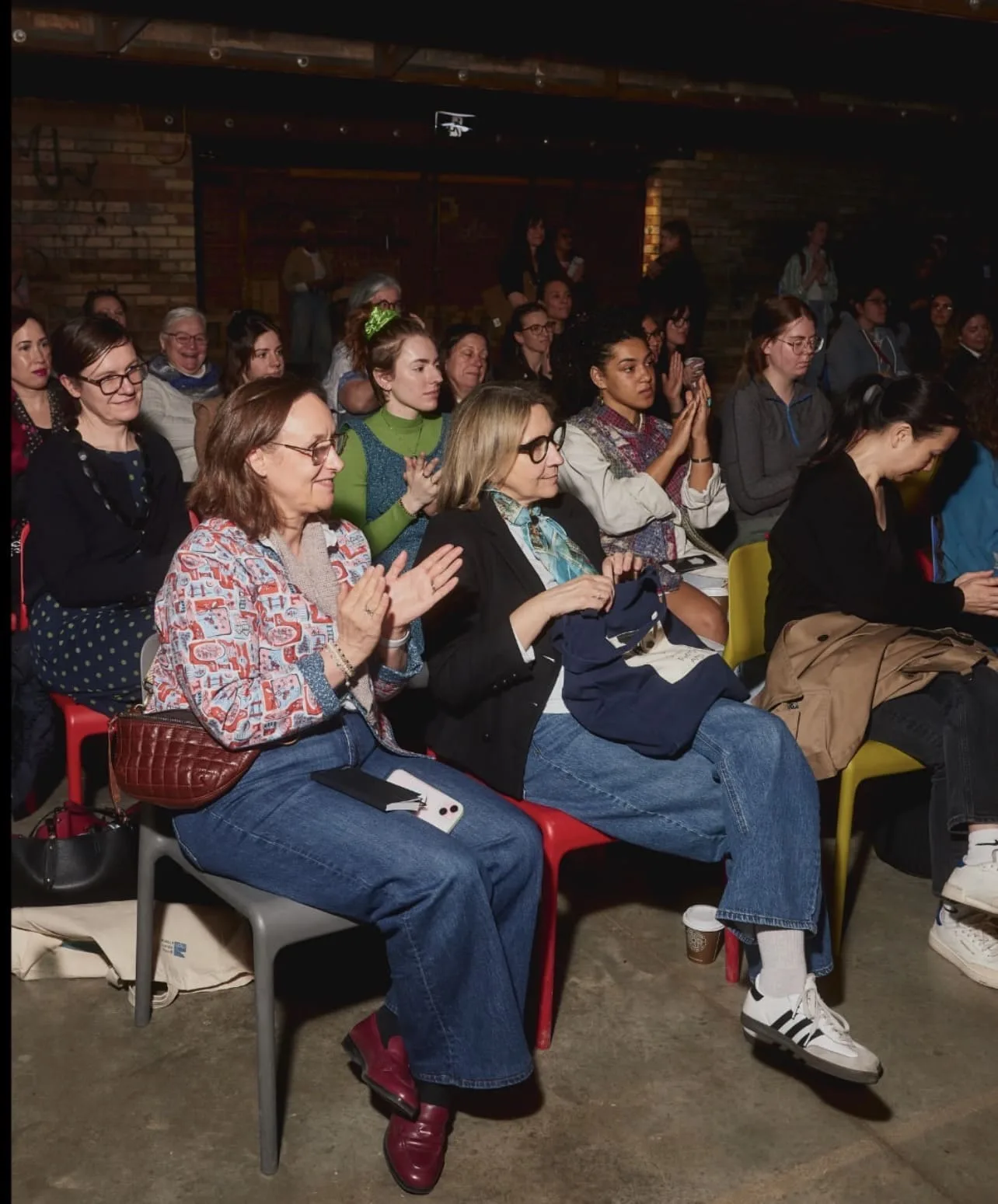
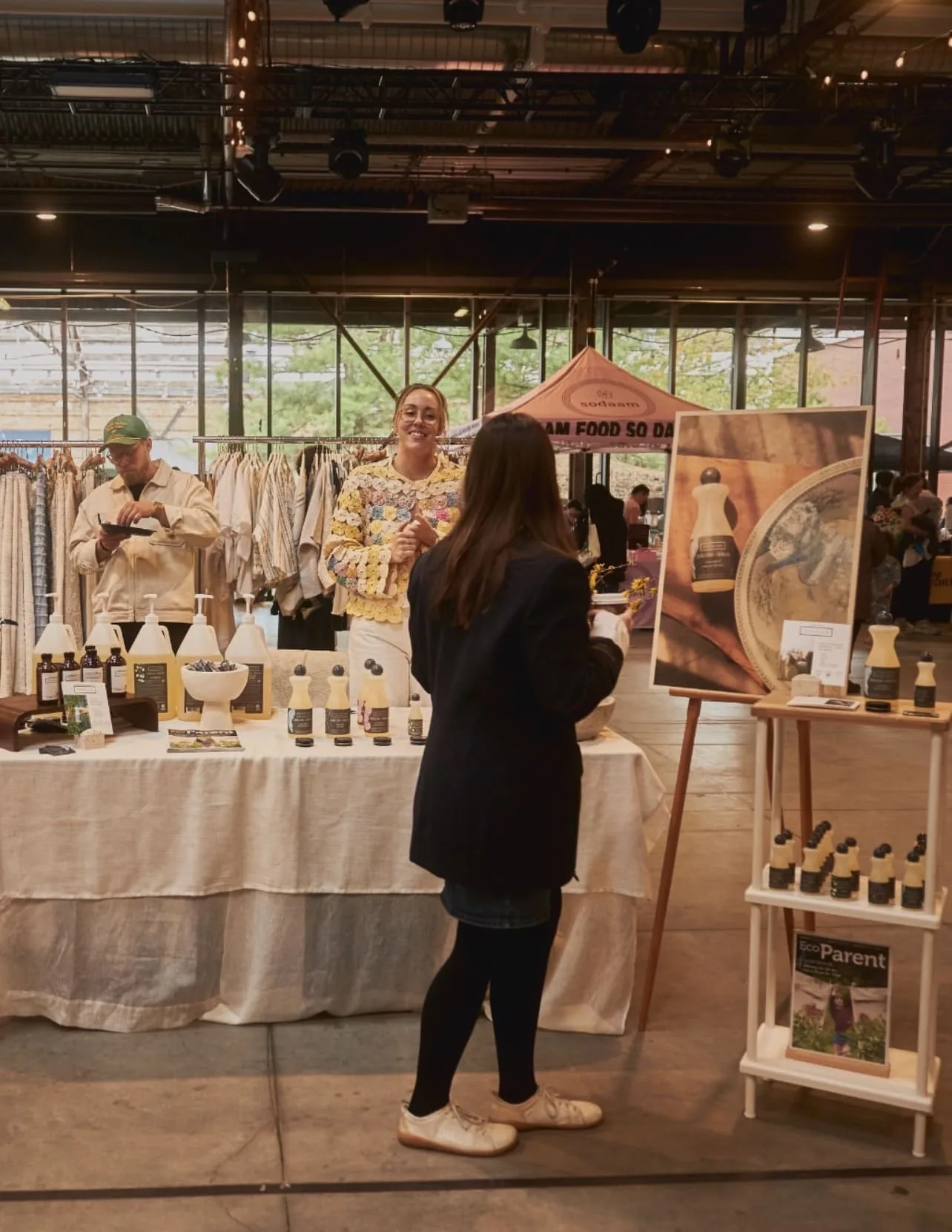
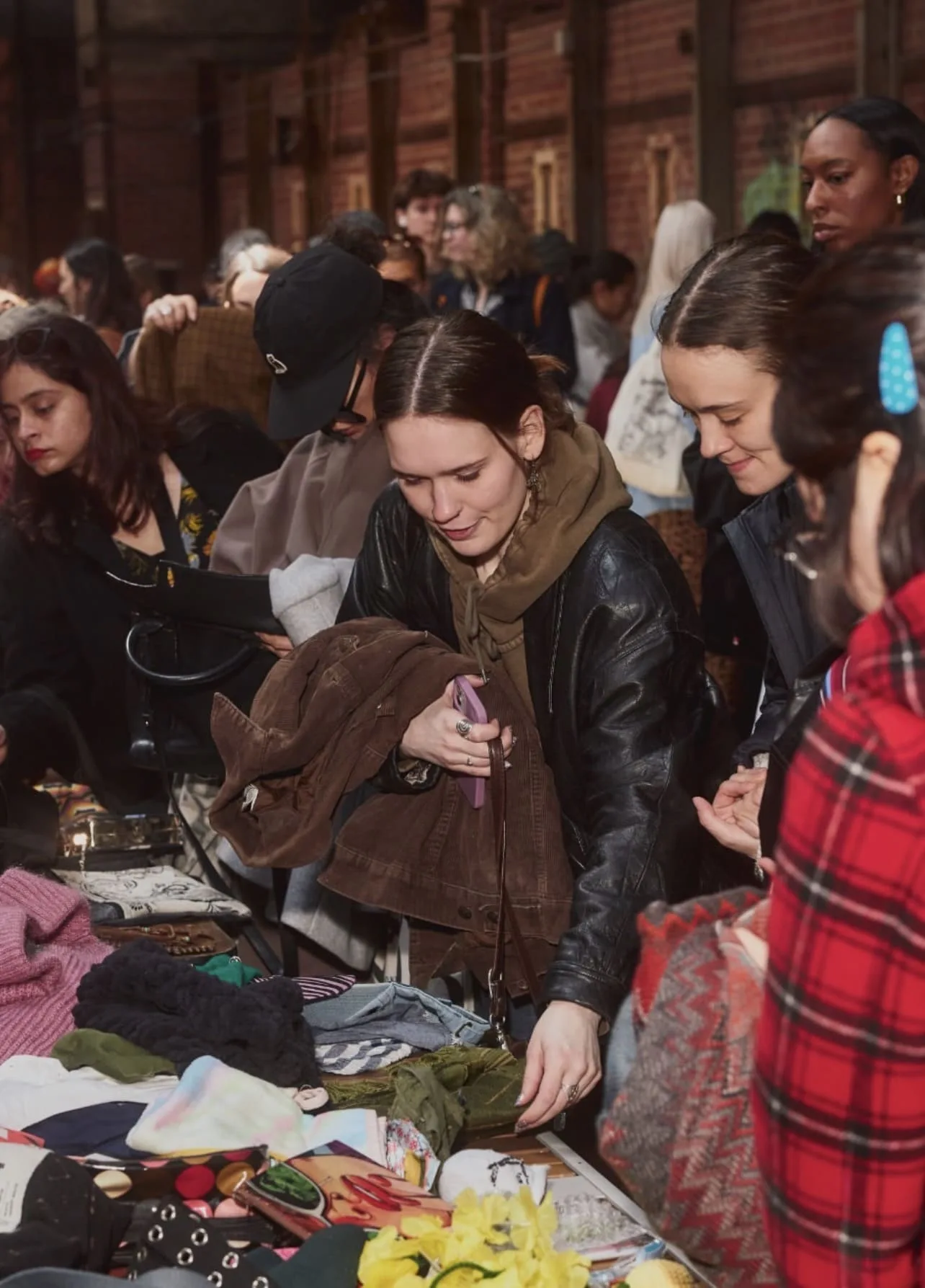
This past weekend, Eucalan had the joy of participating in ReMode Toronto, an incredible event put on by Fashion Takes Action. The energy at the event was high, with brilliant speakers, thoughtful conversations, and an amazing lineup of creative and secondhand vendors who are doing the real work of reshaping how we think about fashion.
Eucalan's own Kaleigh joined ReMode's panel to share insights on one of the topics closest to our heart: how to prolong the life of your clothes, and why caring for the garments we already own is one of the most powerful steps we can take toward a more sustainable wardrobe. It's a message that sits at the very core of why Eucalan exists.
Read Kaleigh's transcribed Talk here:
Why do you believe garment care is such a critical part of the sustainability conversation?
Because we talk a lot about what we buy, but almost never about what we do after we buy it. The fashion industry gets a lot of scrutiny at the production end, rightly so, but a garment's environmental footprint doesn't stop at the checkout. How you wash something, how often, at what temperature, and with what products, are all factors in determining how long that piece actually lives in the world.
I think about it this way: every garment I rescue from a thrift store is already a win for the planet, sure, but if I throw it in a hot machine wash with harsh detergent and it's ruined after five washes, I've kind of undone that original win. Garment care is the bridge between buying better and actually consuming less. It's the thing that makes circular fashion circular rather than just a slower version of the same throwaway cycle.
What are the most common mistakes people make when laundering their clothes?
The biggest one is over-washing. Which is ironic coming from the laundry wash company here, but it's true! We've been conditioned to think something needs a full wash every time it's worn, and that's just not true for most garments. Now I'm not saying if you're working out, or you stink and your clothes stink - of course, wash your dang clothes! But I mean our everyday items that we sit in for a few hours of the workday without really soiling them.
There are a lot of different ways to give your clothes a refresh in between full wash cycles. Whether its a refresh linen spray, or naturally deodorizing clothing by hanging them outside in the fresh air. I think spot cleaning is undervalued too. Why subject an entire garment to the wear and tear of a wash cycle when just one spot can be treated?
I'd also say heat is a common mistake that tends to lead to "ruined" clothes. Heat is the enemy of natural fibres — it causes shrinking, felting in wool, and degrades elasticity in everything else.
Can you explain why fibres like wool, silk, or linen require different care, and why they often last longer when treated properly?
You can think of natural fibres as essentially alive. They have their own biological structure, and that structure is what makes them so remarkable to wear, but also what makes them sensitive to mistreatment.
Take wool: wool fibre has tiny barbs on it that, when agitated or washed in the wrong water temperature, link together. That's what causes felting and shrinking. It's not a flaw in the fabric, it's just the nature of the fibre. And when you understand that and treat it accordingly (cool water, minimal agitation, no wringing, etc.), it can last decades. My oldest thrifted wool pieces are from the '40s and they're still going strong.
Silk is also protein-based, similar to our own hair, and it degrades with harsh alkaline detergents and heat. Linen is extremely durable but can become brittle if over-dried. Each of these fibres has evolved for a particular purpose, and when we work with their nature rather than against it, they reward us with incredible longevity.
Handwashing sounds intimidating to some people. Why do you advocate for it?
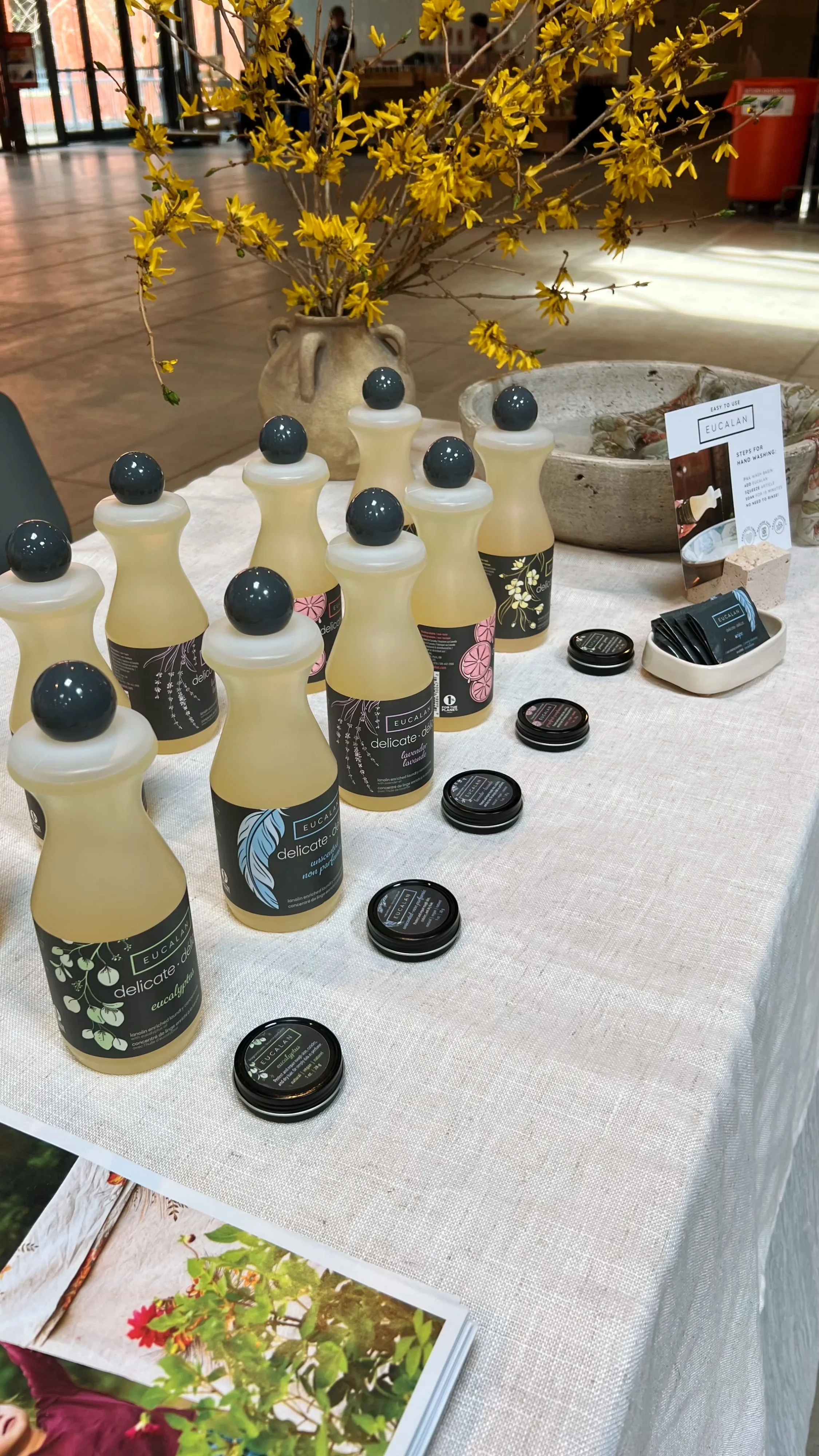
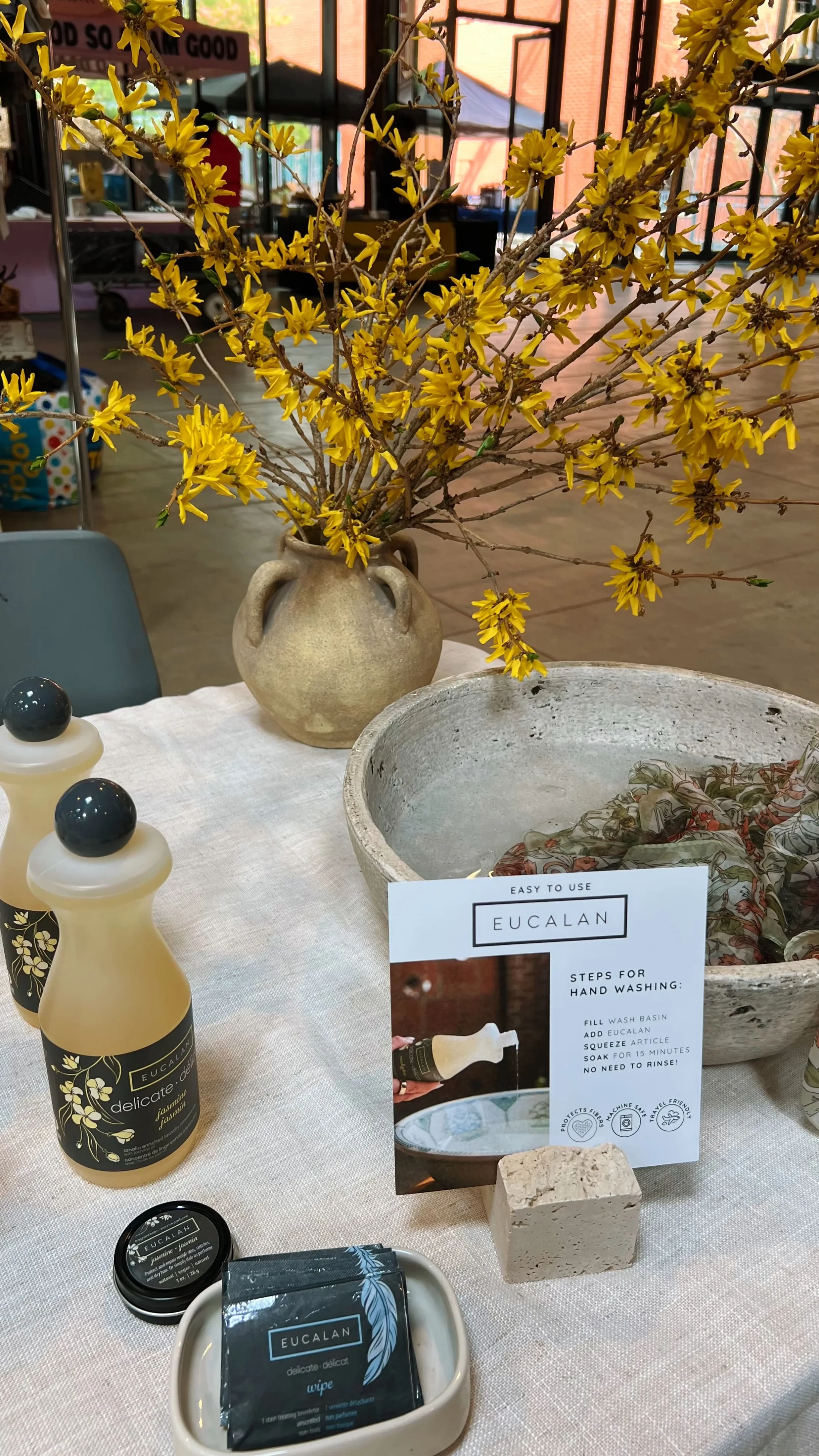
I think people hear "handwash" and imagine something laborious and fussy, like they need a whole afternoon and some special expertise. But honestly, it's one of the most low-effort things you can do. With Eucalan for example, you fill a basin with tepid water and a capful of wash, let the garment soak for 15 minutes, and gently squeeze out the excess — that's it. No rinsing required, no special tools, no fancy techniques you need to know. You can do it while you're watching TV or waiting for dinner to cook. I often throw my garments in a basin before I jump in the shower and its done by the time I'm finished with my post-shower routine.
I also advocate for it because it completely changes your relationship with your clothes. When you take five minutes to hand-wash something, you notice it differently: a loose thread, a small stain you can treat, the way the fabric feels. Or maybe a memory you had when you wore it. It becomes an act of care rather than an act of convenience. And I think that attentiveness is part of what makes people hold onto things longer. It becomes not just a laundry method, but a mindset shift.
And I'll say, for secondhand shoppers especially, handwashing opens up pieces you might otherwise avoid (the silk blouse, the vintage knit) because you can feel confident knowing that you have a safe, gentle way to clean them.
How does handwashing actually protect fibres compared to machine washing?
A washing machine, even on a delicate cycle, is a fairly violent environment. You've got mechanical agitation, spinning forces, and often dramatic temperature fluctuations between the wash and rinse water - all of which stress fibres. Having a handwash product, particularly for these natural fibres we've mentioned, is a really important. And no-rinse is even better: that eliminates the concern over temperature fluctuations, and it means you're handling the fibres less.
Beyond that, handwashing gives you control. Control over temperature, over pressure, over how much time the garment spends in water. You can focus on areas that need attention and leave the rest alone.
How do you see garment care fitting into the future of fashion, especially in circular and resale economies?
Garment care is going to be the skill set that makes circularity actually work. Right now, the secondhand and resale markets are booming, which is genuinely exciting, but if people don't know how to maintain what they buy, those garments still end up in landfill, just with an extra stop in between. The loop isn't truly closed without care.
For Meghan and me, bringing Eucalan into the next chapter means making that message feel accessible and genuinely exciting to a generation that's already choosing secondhand, because they're halfway there. They just need to close the loop with care. That's what circularity actually means — not just passing things on, but preserving them so they're worth passing on.

